Yellow and Pink Line connectivity is driving up home values across South and Central Bengaluru.
Discover MoreBengaluru's residential market is entering a new growth phase, and the city's expanding Namma Metro network is the reason why. A recent Colliers India report has drawn a direct line between the operational Yellow Line, the upcoming Pink Line, and a fresh wave of price appreciation sweeping across Central and South Bengaluru. For homebuyers watching the market, the message is clear: proximity to a metro corridor is no longer a nice-to-have, it is becoming one of the biggest price drivers in the city.
According to the report, the operational Yellow Line and the upcoming Pink Line are reshaping real estate dynamics across Central and South Bengaluru, with improved connectivity acting as a key catalyst for residential demand, reduced commute times, and rising capital values across micro-markets. The numbers back this up in a big way. The operational Yellow Line has significantly improved access to South Bengaluru, driving up housing prices by almost 45 per cent in locations such as Electronic City. That is a remarkable jump for a single corridor, and it underscores just how quickly connectivity translates into capital appreciation once a metro line goes live.
The Yellow Line itself connects R.V. Road to Bommasandra, covering a 19-km stretch that touches some of the city's busiest IT and residential belts. The line runs from RV Road to Bommasandra, covering stops at Jayadeva, BTM Layout, Silk Board and Electronic City Phases 1 and 2. For thousands of tech professionals who once endured long, congested commutes down Hosur Road, this has been a genuine game-changer, and the property market has responded accordingly.
The next big catalyst is the Pink Line, which is expected to unlock similar gains further along South and Central Bengaluru. The Pink Line connecting Kalena Agrahara to Nagawara is expected to be operational in various phases of 2026 and 2027, is expected to further reshape demand by decongesting key residential zones such as Bannerghatta Road, JP Nagar, Shivaji Nagar, and Nagawara, while improving access to established commercial and industrial hubs. Bannerghatta Road, in particular, is emerging as the corridor to watch. Bannerghatta Road emerges as the strongest growth corridor, with housing prices projected to rise by 30–40 per cent between 2025 and 2027, according to Colliers India. The locality lies along the upcoming Pink Line and is already witnessing heightened developer activity and demand from both middle-income and luxury segments.
This isn't just a residential story. The office market is moving in tandem, which in turn supports housing demand from professionals who want to live near their workplace. The expansion is expected to generate an incremental office space demand of 5 to 7 million square feet over the next two years, likely concentrated in the Central Business District, Secondary Business District 2, and Electronic City, bringing total office stock in these areas to approximately 40 million square feet by 2027. More office space near metro corridors means more people wanting to live within a short commute, which keeps pushing residential demand higher.
Longer-term data on Electronic City tells a similar story of sustained appreciation rather than a short-term spike. The average residential price in Electronic City is up 127% from ₹4,500 per sq. ft. in 2016 to ₹8,900 per sq. ft. in 2026. Industry voices point to the same underlying driver. In Bengaluru, every new metro line quietly redraws the city map, and over the last five years the city has seen residential prices rise by roughly 40%, outpacing other major metros in India, with the sharpest jumps clustering around operational and upcoming metro corridors.
For homebuyers, this metro-led growth story matters in a very practical way. Locations that were once considered peripheral, like Bommasandra and stretches of Hosur Road near Electronic City, now sit within easy reach of the city centre thanks to the Yellow Line. Brigade Valencia, the developer's 24-acre residential development on Hosur Road, sits close to the Bommasandra Yellow Line terminus, putting residents within a short ride of Electronic City's IT corridor and the wider Namma Metro network. As the Pink Line phases open through 2026 and 2027, similar tailwinds are expected along Bannerghatta Road and JP Nagar, corridors where Brigade continues to expand its residential footprint.
The takeaway for anyone house-hunting in Bengaluru right now is straightforward: metro-adjacent micro-markets are compounding value faster than the broader city average, and that gap is unlikely to close soon. Buying early in these corridors, before the full network effect plays out, has historically rewarded homeowners with both lower entry prices and stronger long-term appreciation.

Secunderabad, Hyderabad, Telangana
3, 4 BHK (expected) • Price on request
₹650 Cr GDV project on 2.25 acres
Whitefield, Bangalore
Grade A Office | 5-Star Hotel • Investment ₹2,200 Cr
2 million sq ft mixed-use JV with Bain Capital
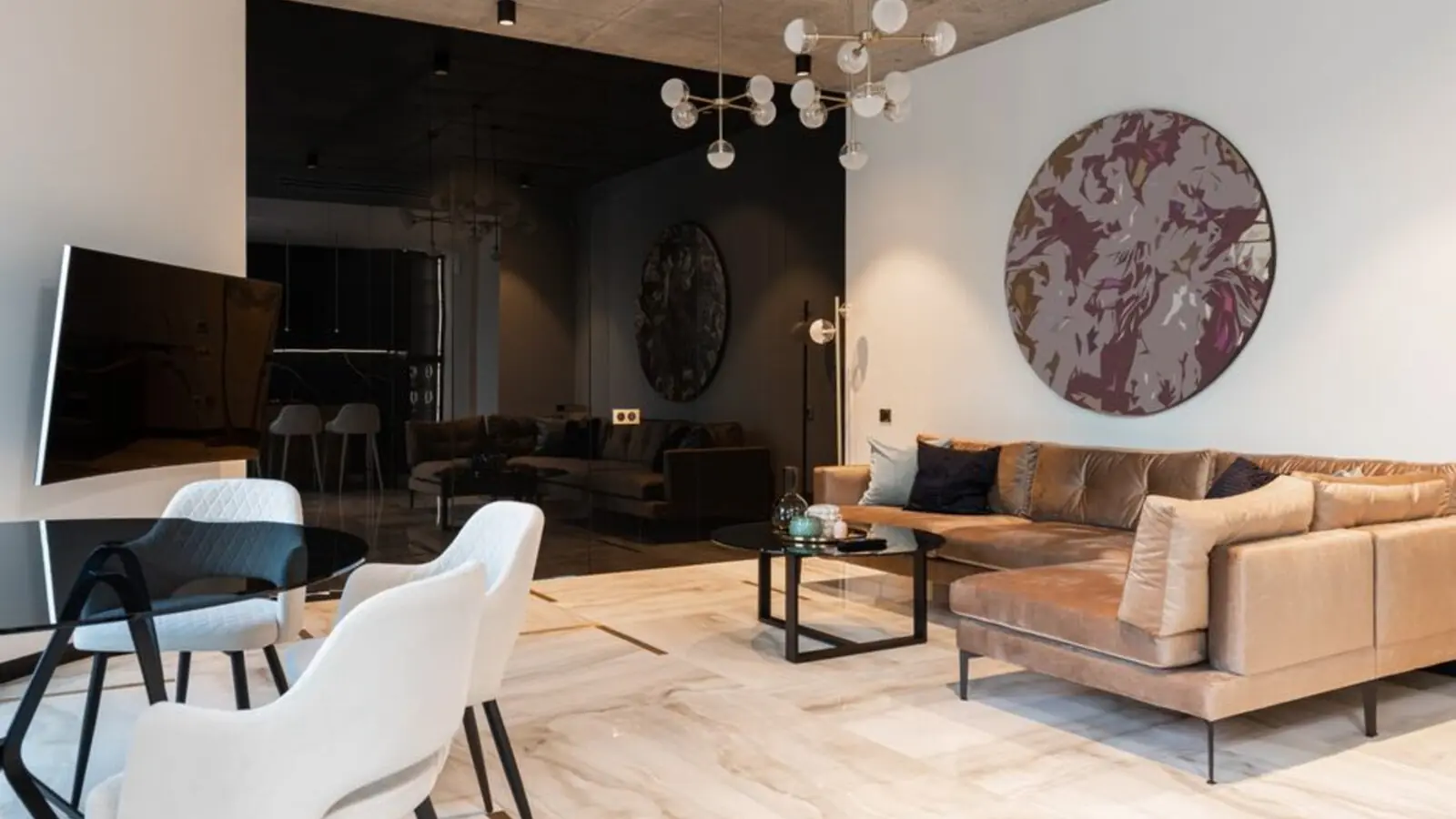
Bogadi Road, Mysuru
2, 3 BHK • Price on Request
10.9-acre Brigade address near Outer Ring Road
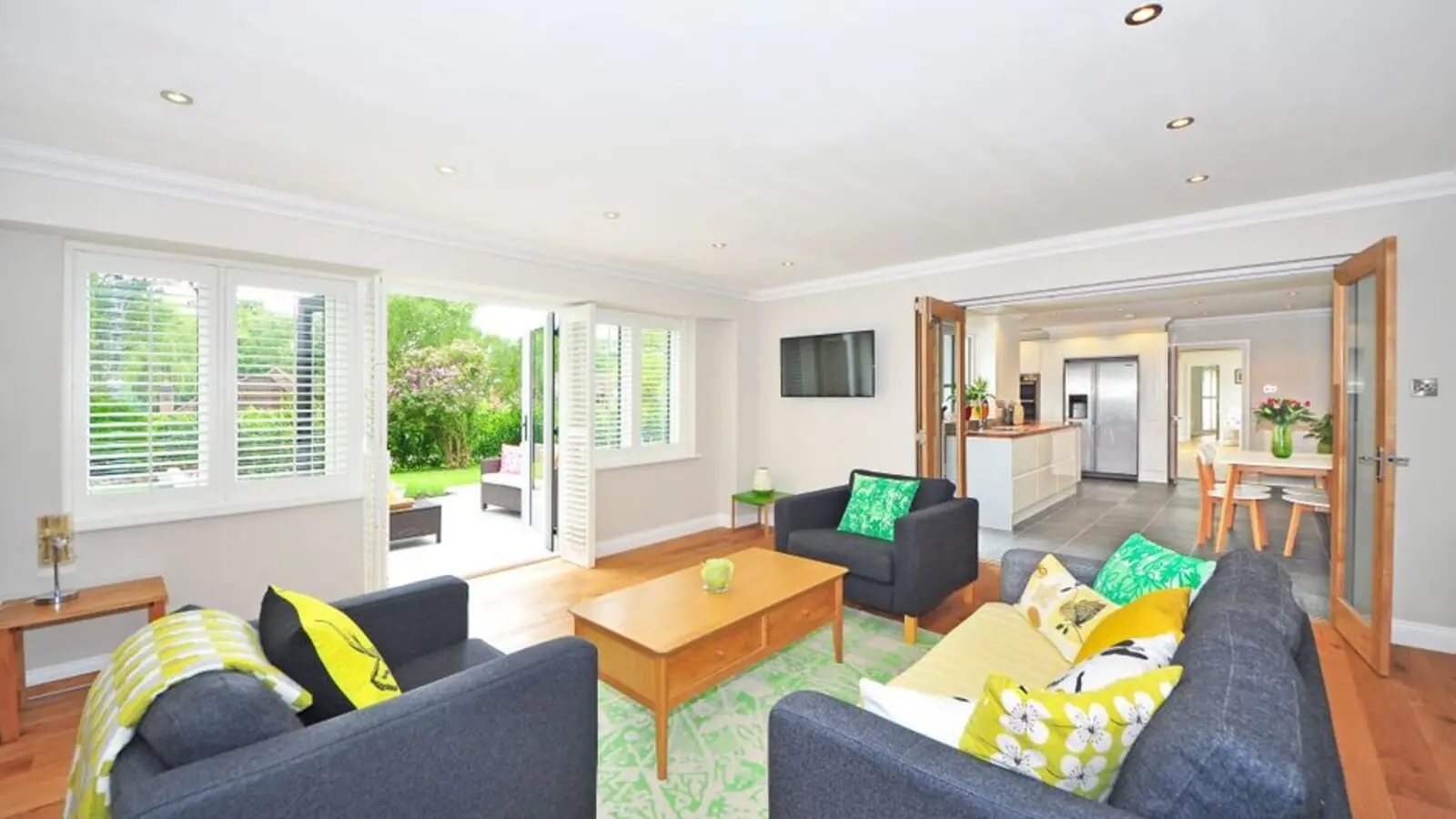
East Coast Road (ECR), Chennai
Guest Rooms, Suites • Price on request
250-room beachfront resort by Brigade

East Coast Road (ECR), Chennai
200 Keys • Price on Request
Beachfront Grand Hyatt hospitality landmark
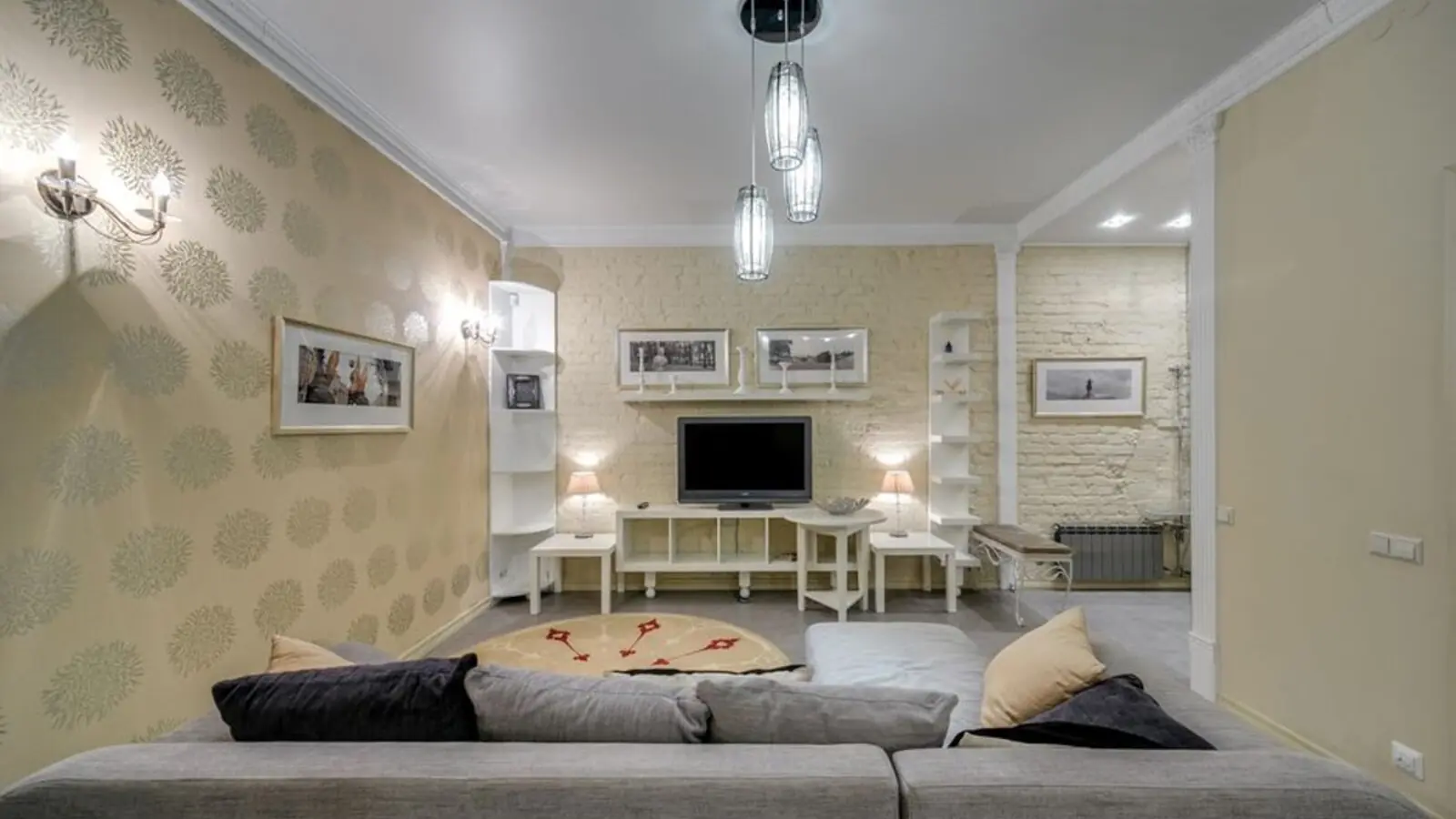
Devanahalli, Bangalore
Built-to-Suit | IT/ITES | Data Centre • Price on Request
25-acre industrial park, ~2 million sq ft
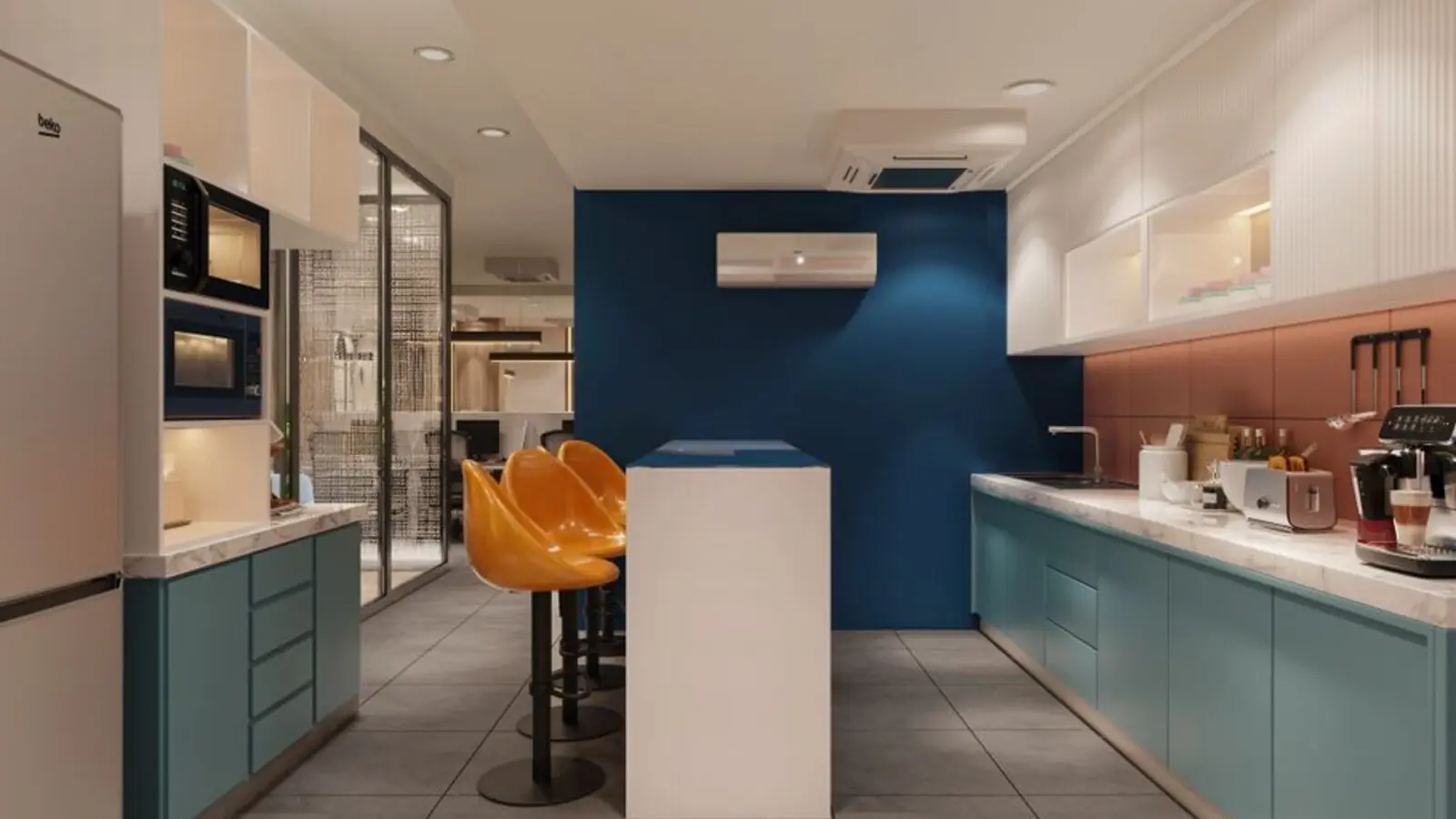
Perungudi, Chennai
250 Guest Rooms & Suites • On Request
9-acre OMR mixed-use hospitality development
Kokapet, Hyderabad
3, 4 BHK • Price on request
4-acre upcoming project in Neopolis
We share this information warmly and in good faith, as a guide only and not as an offer. Details including pricing, plans, and images may change over time. Please confirm everything with us before taking any step. About · Projects
Share your details and our expert will call you back.